Your factory, your data, your cash flow. You invest heavily to protect yourself against visible threats—the ones that come from the outside with a clear attack label. But what about those that arrive packaged as a harmless ‘software update’ or an essential code dependency? The harsh reality is that a new wave of silent invasions is causing million-dollar losses, not through direct human error, but through a sophisticated technical breach in the software supply chain that many still ignore or, worse, underestimate.
What Happened
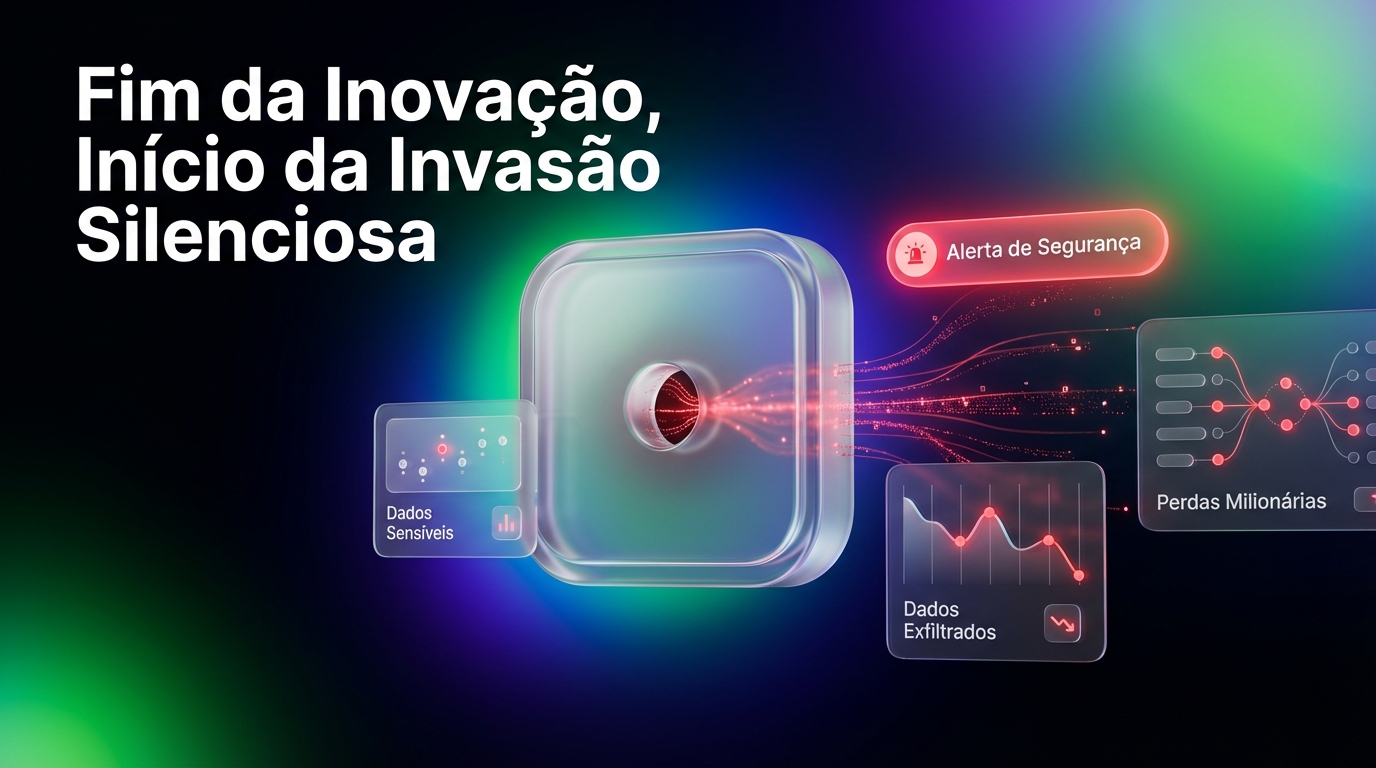
Recently, the cybersecurity community was alerted to the detection of malicious packages masked within PyPI, one of the largest software repositories for the Python language. Examples like ‘spellcheckpy’ and ‘spellcheckerpy’ were caught. At first glance, they appeared to be legitimate spell-checking tools, but the truth behind their functionality was dark:
- Developer Deception: They posed as common libraries, tricking developers into incorporating them into their industrial projects.
- Secret RAT Installation: Once executed, they installed a RAT (Remote Access Trojan) on the systems, ensuring complete and persistent remote access for the attackers.
- Critical Data Exfiltration: The goal was clear: to steal sensitive data. Credentials for cloud environments (AWS, Kubernetes), SSH keys for privileged access, and even browser data that could contain valuable information about access to internal and financial systems.
- Ultimate Goal: Total access to your operational environment means the theft of intellectual property, industrial espionage, and, in the worst-case scenario, the complete shutdown of your operations, with catastrophic financial and reputational impacts. This is innovation being used as a Trojan horse for an invasion.
The Alchemist’s Analysis: Why ‘Multi-Agent’ is the Future and a Single Agent is a Toy
The Centrato Insight here is crucial: delegating the security of your software chain is, in essence, delegating your revenue and your operational continuity. Technology itself is not the risk; the lack of a rigorous process of validation, governance, and visibility over what enters and runs on your systems is. It is at this point that Centrato AI’s ‘Multi-Agent’ philosophy proves to be not only relevant but fundamental.
A single security agent—whether it’s a perimeter firewall, an endpoint antivirus, or an isolated vulnerability scanner—is like a lone watchman in a castle with hundreds of gates and windows. He might stop a direct threat, but he is blind to the complex interactions and dependency chains that characterize modern software systems. This ‘lone agent’ is a toy in the face of the sophistication of supply chain attacks.
The true alchemy of security lies in the orchestration of ‘multiple agents.’ This doesn’t just mean having more tools, but making those tools act as an intelligent and interconnected ecosystem. Each security component—from access control to behavioral analysis, from code scanning to network monitoring—needs to act as an agent with specific visibility and communication capabilities, collaborating to form a complete picture of the health and integrity of your environment.
It is the transmutation of the raw metal of isolated tools into a resilient and proactive defense, capable of identifying anomalies, validating software provenance, and governing interactions before a malicious dependency becomes a devastating RAT. Without this distributed and coordinated intelligence, every line of third-party code can be an open door to million-dollar losses and unwanted shutdowns in your industry.
Impact on Operations: Security, Governance, Orchestration
Applying a ‘multi-agent’ approach translates into tangible benefits for your industrial operation:
- Proactive and Comprehensive Security: Instead of reacting to incidents, you gain the ability to detect and mitigate threats at the source, even before they are integrated into your systems. This includes rigorous validation of every software component, analysis of hidden dependencies, and continuous monitoring for behavioral deviations that could indicate a RAT or data exfiltration.
- Robust and Automated Governance: Establish and enforce clear policies for the use of third-party software, ensuring that only validated and secure components are integrated. Governance stops being a manual, ad-hoc effort and becomes a continuous, automated process with total control over the origin and integrity of your software.
- Total Orchestration and Visibility: Multiple security agents working together offer a holistic, real-time view of your environment. The orchestration of these agents allows alerts to be correlated, automated responses to be triggered, and decision-making to be based on contextual intelligence rather than information silos. You don’t just see what is happening; you understand why and how to act.
Conclusion
The ‘silent invasion’ through the software chain is a present and growing reality. Delegating your security without a ‘multi-agent’ strategy is an invitation to disaster, putting your factory, your data, and your cash flow at constant risk. The technology behind attacks like ‘spellcheckpy’ is evolving, and your defense needs to evolve even faster.
At Centrato AI, we understand that innovation only thrives in a secure environment. Don’t wait for an incident to happen before questioning the ‘cost’ of proactive and intelligent security management. It’s time to stop mapping only visible risks and start building an orchestrated defense ecosystem where every ‘agent’ contributes to the complete shielding of your operation.
Want to understand how the Centrato AI methodology can transform your software chain security, ensuring the resilience and continuity of your industry? Contact us to start a strategic assessment of your current security posture.