The dense smoke that covered the Brazilian sky, coming from the large-scale fire at Colégio Marista Santa Maria, is not just a ‘terrifying’ spectacle for social media. It is an alarm. A brutal and visual reminder that complacency and the compartmentalization of operational safety can lead to incalculable losses, even when, miraculously, there are no human casualties. This incident, which quickly went viral on platforms like X (formerly Twitter), highlights an inconvenient truth: risk, when invisible or ignored, does not disappear—it accumulates, waiting only for the right catalyst to explode into a crisis.
What Happened
On December 27, 2025, Colégio Marista Santa Maria was the scene of a massive fire, with flames engulfing significant parts of the campus. Shocking videos circulated globally, showing the intensity of the disaster. Firefighters acted quickly to contain the spread, and fortunately, so far, no casualties have been reported. The exact cause of the fire is still unknown, underlining the unpredictable and devastating nature of these events. The commotion generated, however, is a mirror of the panic such incidents provoke, especially when they involve high-standard educational institutions.
The Alchemist’s Analysis: Why ‘Multi-Agent’ Is the Future
Tragédies like the one at Colégio Marista are rarely isolated accidents. They are the most visible symptom of a systemic disease: management silos. Imagine building safety, electrical equipment maintenance, and emergency protocols operating as islands, each with its own documentation, schedules, and responsibilities. When preventive maintenance detects a worn cable, this information needs to flow instantly to the safety team, who must assess the fire risk, and to infrastructure management, who needs to orchestrate the repair and contingency plan.
An isolated ‘agent’—whether it’s a smoke sensor, a maintenance technician, or a safety inspector—is insufficient. It captures only one piece of the puzzle. What we need are ‘multi-agent’ systems, where data from different sources (maintenance, IoT, security systems, climate data, even real-time building usage) are collected, correlated, and analyzed in real-time by a central intelligence. This creates a holistic and predictive view of risk. A single agent is a toy; a multi-agent ecosystem is a robust defense system that anticipates disaster before the first smoke appears on Twitter. Ignoring this integration is embracing an ‘institutional blindness’ that will turn small problems into billion-dollar crises, or worse, into irreparable losses.
Impact on Operations: Safety, Governance, Orchestration
For the Industrial or Technology Director, the lesson from Marista goes beyond school safety. It applies directly to the integrity of assets, industrial plants, critical infrastructure, and even data security in data centers. An incident like this directly impacts:
- Operational Safety: Failure to integrate monitoring and maintenance data creates blind spots where risk increases exponentially. A perfect evacuation plan is useless if the root cause of the fire was not prevented due to a lack of predictive data.
- Governance and Compliance: Regulations become stricter after disasters. Demonstrating proactive, data-driven risk management is crucial to avoiding heavy fines, litigation, and reputational damage. Paper reports do not guarantee safety; intelligent systems do.
- Response Orchestration: The ability to react to an incident depends on the agility and accuracy of information. A multi-agent system allows emergency and crisis management teams to act based on updated data, minimizing damage and ensuring business continuity or rapid recovery.
Conclusion
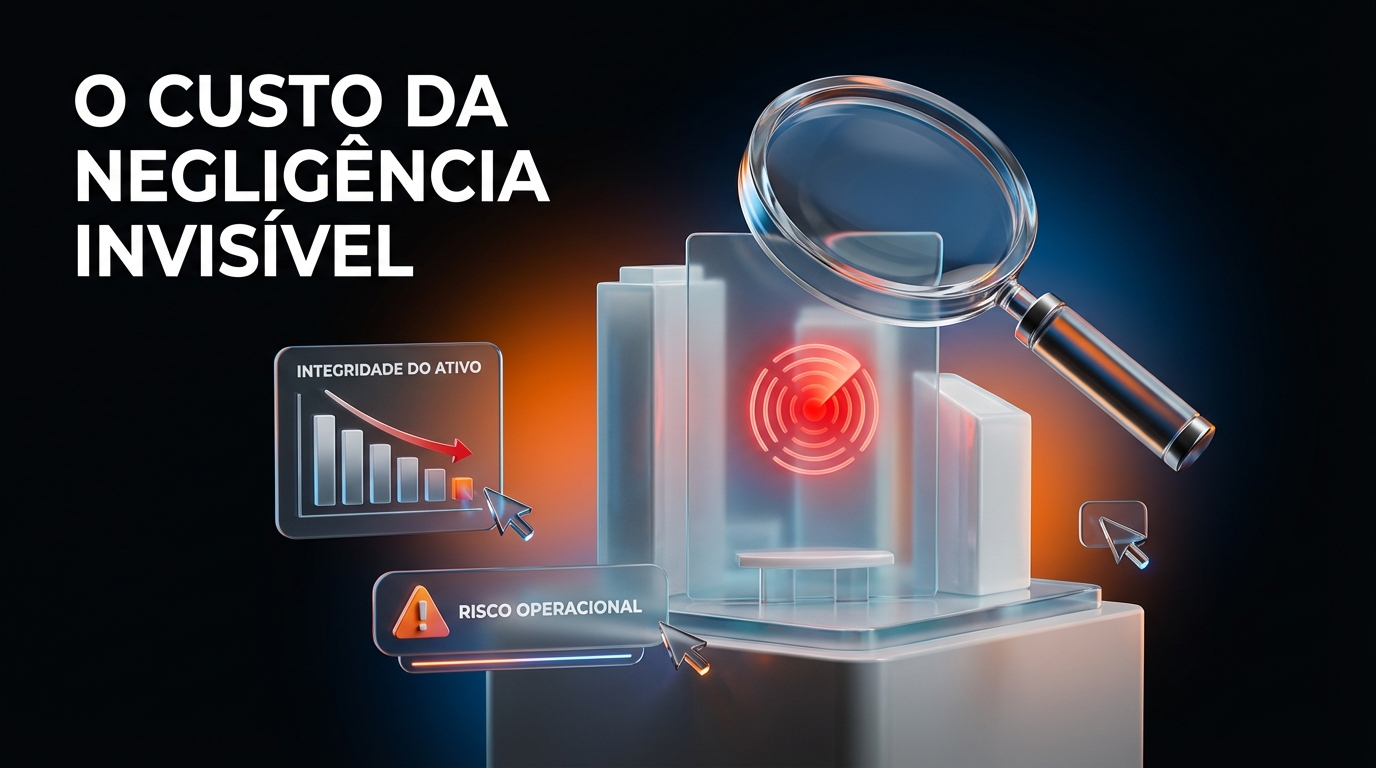
The fire at Colégio Marista Santa Maria is a warning that echoes through all large organizations. It is proof that invisible negligence, fueled by data fragmentation and the absence of a systemic view, has a real and often catastrophic cost. The era of reactive management is over. We are in the era of predictive intelligence and the orchestration of ‘multi-agent’ systems that not only detect but anticipate and mitigate risks. This is not an incremental technological update, but a fundamental redefinition of safety and operational integrity. Is your structure prepared to operate with this integrated vision, or does it still depend on luck? Reflect. The future of your operation depends on it.
To delve deeper into methodologies that integrate your assets and prevent the invisible, subscribe to our newsletter and discover how Centrato AI is revolutionizing risk management.